
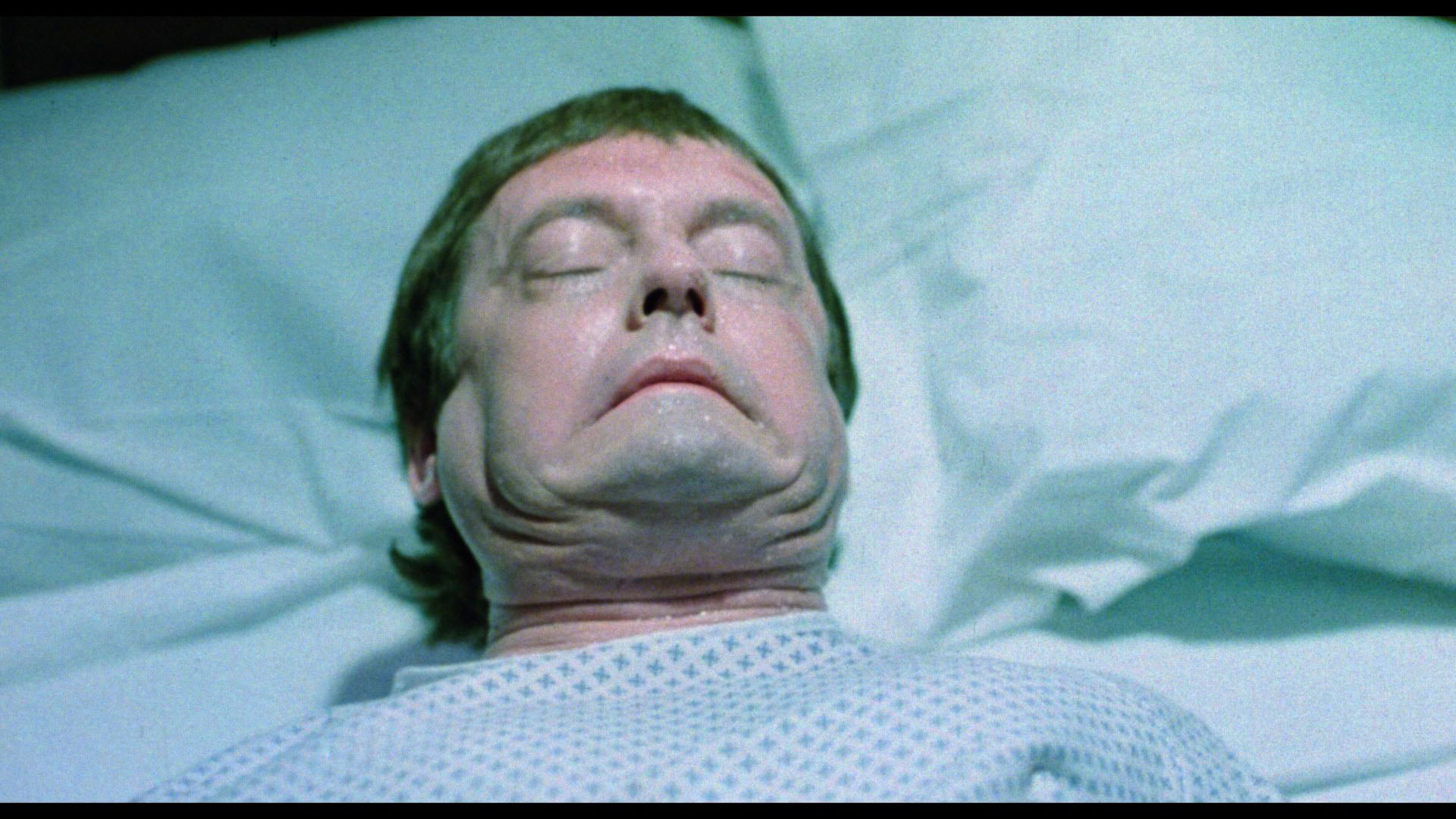
 that haunted VHS shel
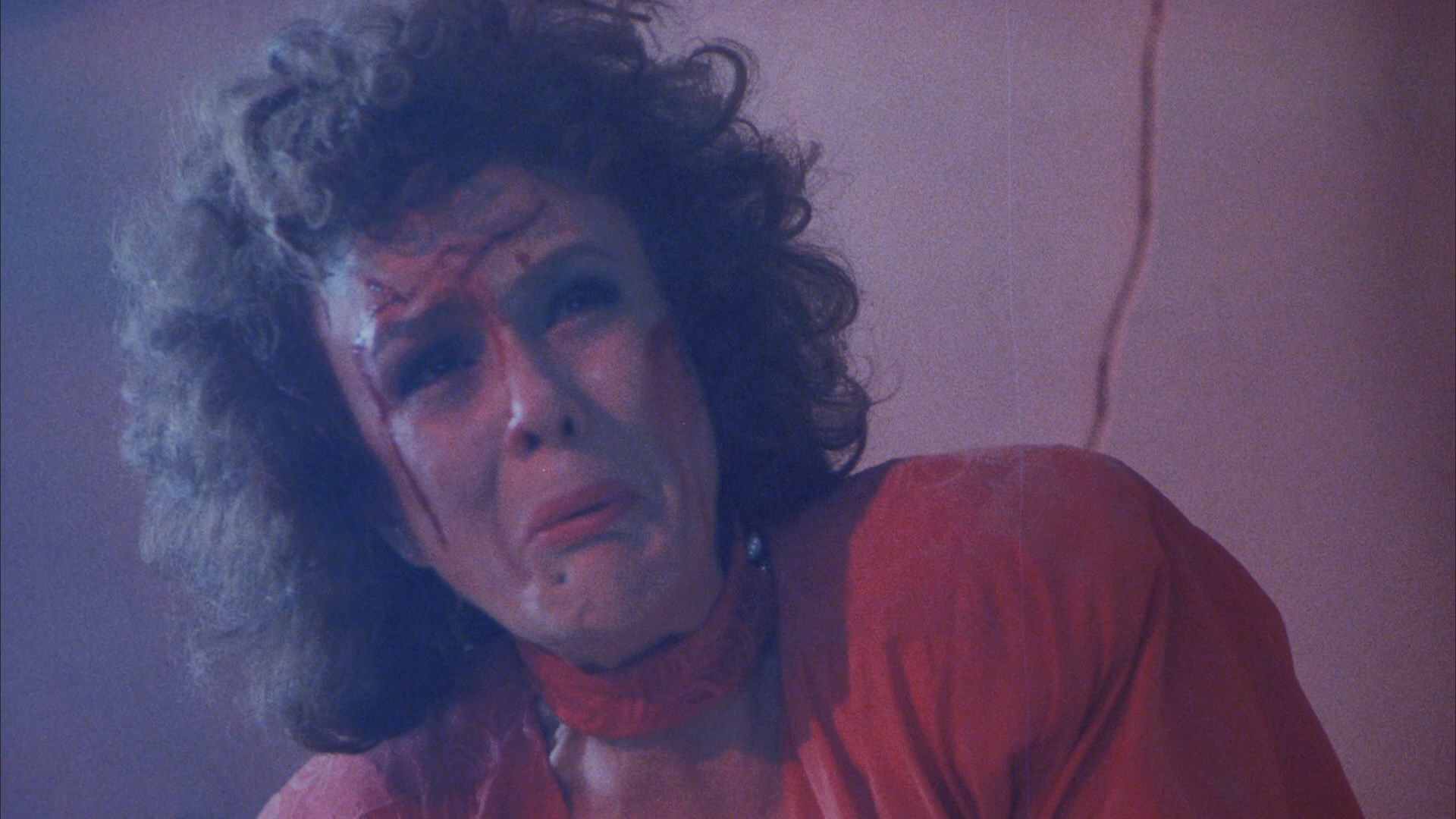
 ves for years and startled many viewers with its outrageous color schemes and bizarre death scenes. The story is simple: on Halloween night, police cars speed through the streets to find costume onlookers at a building where a jumper is about to take the big plunge. George Miller (WarGames' Lipscomb) just wants to end it all, but when he falls several stories and hits the ground, he doesn't die. In fact, a strange green-hued force seems to enter him, and as time passes, George is tormented by dreams involving a man being brutally gunned down by four faceless people. His psychiatrist, Jennifer (Wing), gets him back on his feet enough to reenter society, but he soon suffers a nightmare in which his eyes turn green and he compels a woman to disembowel herself with a kitchen knife. The next day in the newspaper, he finds out that's exactly what did happen -- and Jennifer's doc boyfriend, Alan (Pomerantz), thinks George might be more than just a damaged soul. Meanwhile George does a little detective work and finds out that another man in town was murdered at the same moment George tried to kill himself...
 as some characters get far more developed than others; glorified guest star Hoyt Axton (fresh off
  of Gremlins) basically gets to phone in his appearance as a cop, while the victims don't really get embellished at all due to the structure of the story. That hardly matters though considering this is basically designed as a drive-in thrill machine, delivering plentiful eye candy with a caffeinated synth score by Alan Howarth (in between in his work with John Carpenter on Big Trouble in Little China and Prince of Darkness). The opening sequence is especially effective in this respect, a rapid-fire montage of swirling police lights, creepy Halloween masks, and pounding electronic music.
 more extreme sound effects during the
  paranormal sequences.
 plus the director's commentary, the deleted scenes as an extra, and a trailer.
 from Dragon's Domain). Disc one features the usual theatrical cut, presented here in a more recent scan featuring more natural color timing (a lot less blue here) and additional image info on the sides. The DTS-HD MA English 2.0 mono track sounds good as always, and this marks the first time the film has come with English SDH subtitles as well. In "Writing Wrongs" (12m18s), co-writer Lee Wasserman reiterates some of the usual tidbits about the film (such as the influence of The Exorcist) while covering his own experiences in film after graduating from Columbia, the process of raising funds for an indie film, the motivation for making a horror movie, the challenge of the very low budget, and his positive impressions of the final result including its ambitious special effects. Wing appears next in "Shock Therapy" (8m6s), explaining how she got into acting via ballet dancing in North Carolina and ended up on the performing arts scene in L.A. where she got one of the main roles in this film and enjoyed good chemistry with both Lipscomb and Magar. In "Angel's Heart" (6m47s), actress Suzanne Snyder shares her own memories of researching the L.A. prostitution scene, adoring the wild colorful hairstyle of her character, and being energized by the environment of the shoot and family atmosphere despite the stressful nighttime shooting on the streets. Actor Mike Muscat turns up next in "Santa Maria, Mother of God, Help Me!" (9m9s), chatting about his career as a character actor after honing his skills as a class clown in high school and discovering drama, a passion that led to a life in front of the camera playing everything from drug addicts to amiable goofballs.
 John Eggett talks about his early days working for Cannon and getting to play with lots of new ideas thanks to the script for this film that called for some pretty outlandish creative concepts that had to be handled very carefully to avoid any harm. (Note that the volume on this one is really low,
  so be ready when the loud menu screen kicks in after it's over!) In "The Art of Getting Even" (6m35s), artist Barry Fahr gets to enthuse about his love for his own "playroom" art studio in downtown L.A. at the time, his accidental involvement with Star Wars and his work on The Gong Show, and his affinity for scenic art that led to creating the "neo-expressionist" paintings seen in this film. Finally in "Living in Oblivion" (9m38s), production designer Robb Wilson King notes how his first jobs working for Roger Corman and Wes Craven got him into the business with a specialty in horror movies that served him well on the demands for vivid, stylized visuals on Retribution. An early Magar short film, Bingo (1m59s), is a quick depiction of bingo hall culture that takes a very Shirley Jackson-style turn; it also features an optional Magar commentary explaining how this "anti-Vietnam" statement came out (though he doesn't mention Wasserman's presence here as a grip of all things). Also included are the trailer (sourced from the usual SD full frame master) and the 6m58s promo reel and a gallery of stills and poster art (2m14s). Disc two features the extended, unrated cut of the film, with that gory extra eight seconds integrated back in from SD but flowing pretty seamlessly all things considered. The image quality otherwise is identical to what's on disc one, and it also comes with a new audio commentary with Magar in conversation with Severin's David Gregory about the making of the film. It's a much smoother listen than the older commentary thanks to better moderator prodding, and though he does tend to lapse into reciting the movie events from time to time, it's a solid overview of how the whole thing came together, got scissored by the MPAA, and ended up as the still-burgeoning cult classic we have with us today.
SEVERIN (UHD)

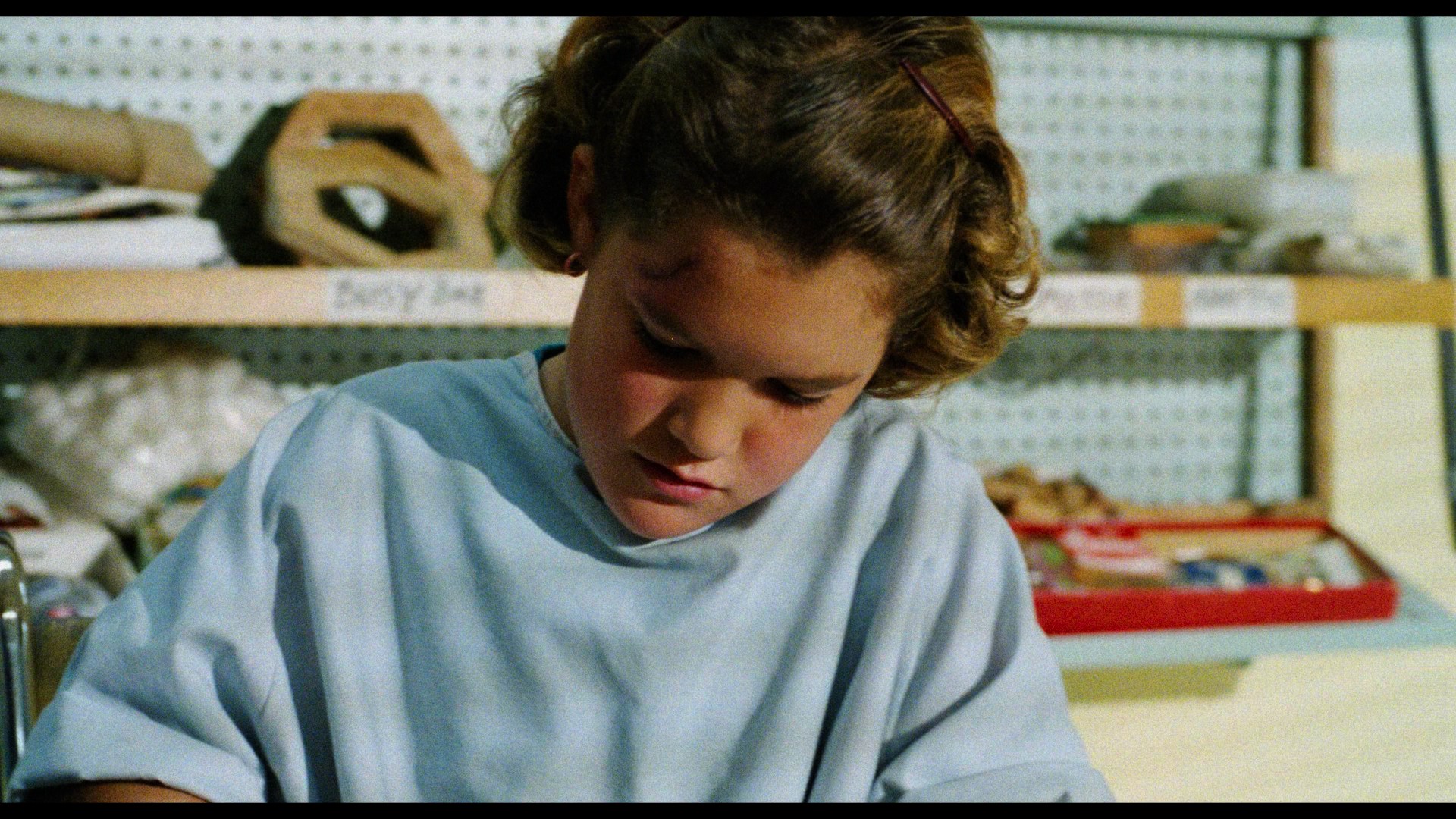


SEVERIN (2021 Blu-ray)


CODE RED (Blu-ray)
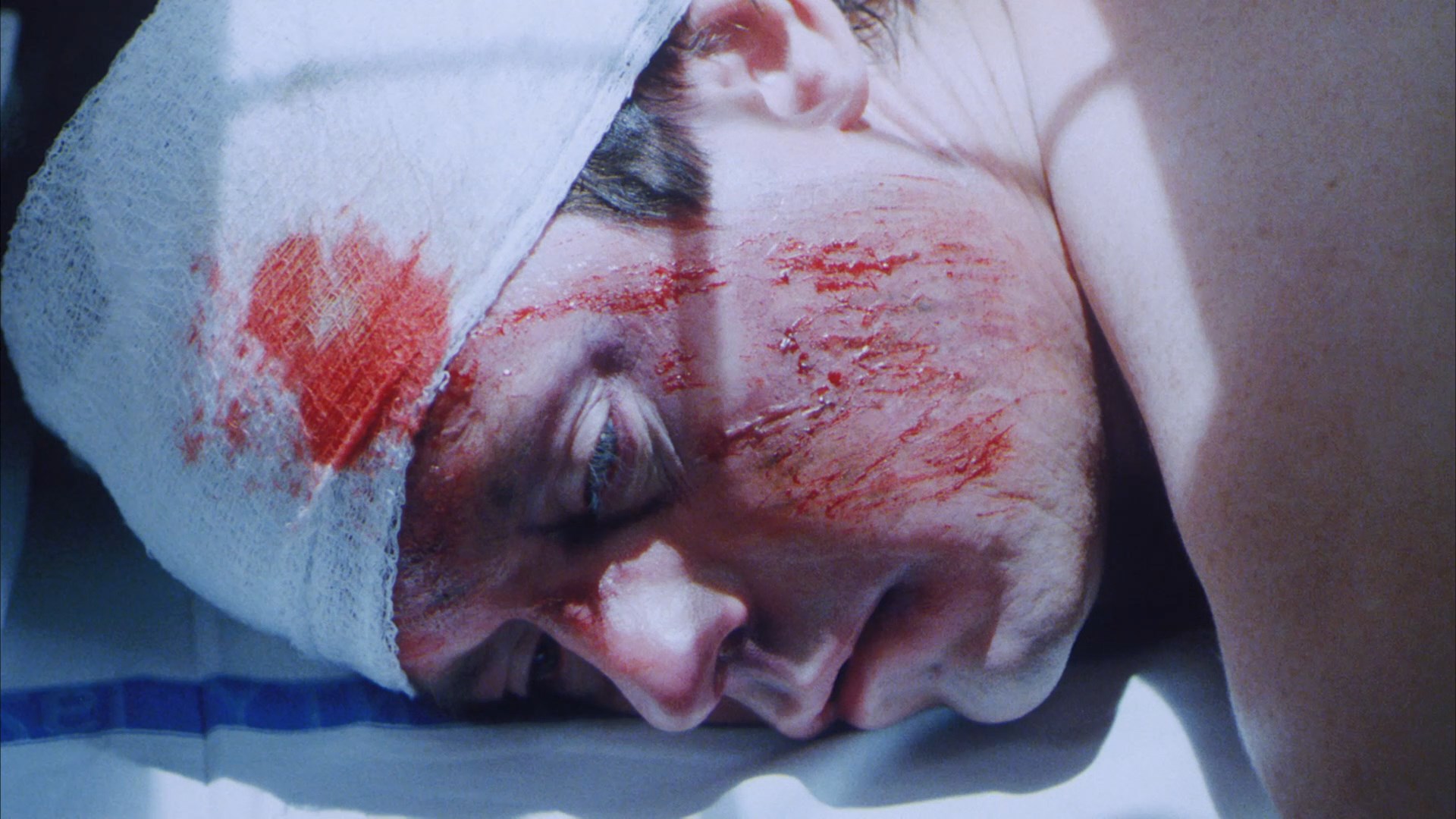

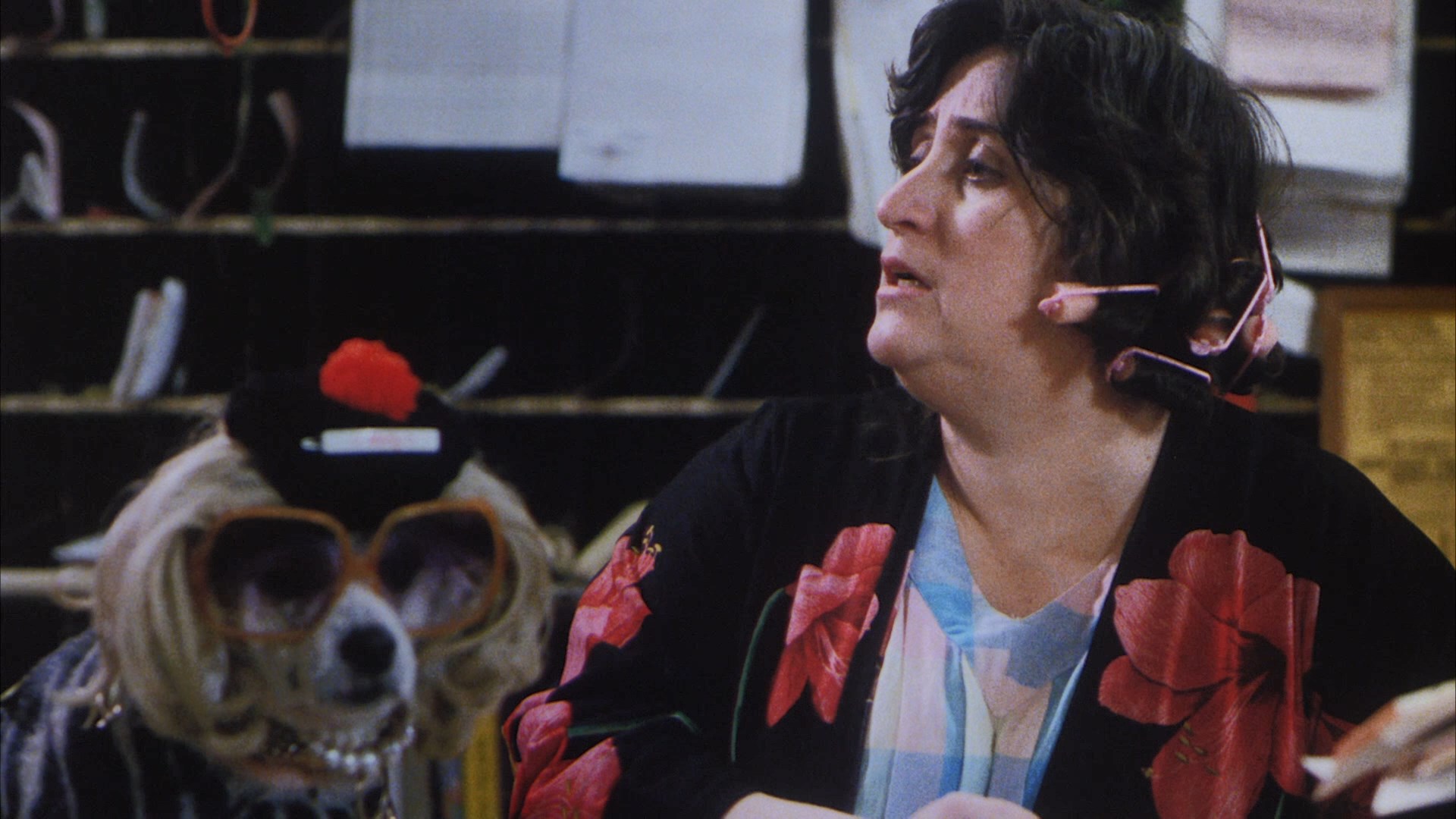

CODE RED (DVD)


