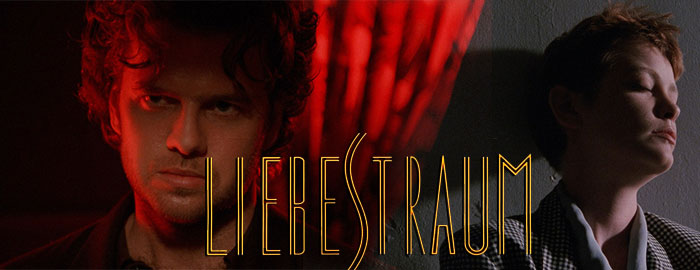
Color, 1991, 112 mins. 51 secs.
Directed by Mike Figgis
Starring Kevin Anderson, Pamela Gidley, Bill Pullman, Kim Novak
Cinématographe (Blu-ray) (US RA HD), MGM (DVD) (Global R1/R2 NTSC/PAL) / WS (1.85:1) (16:9)
The competition 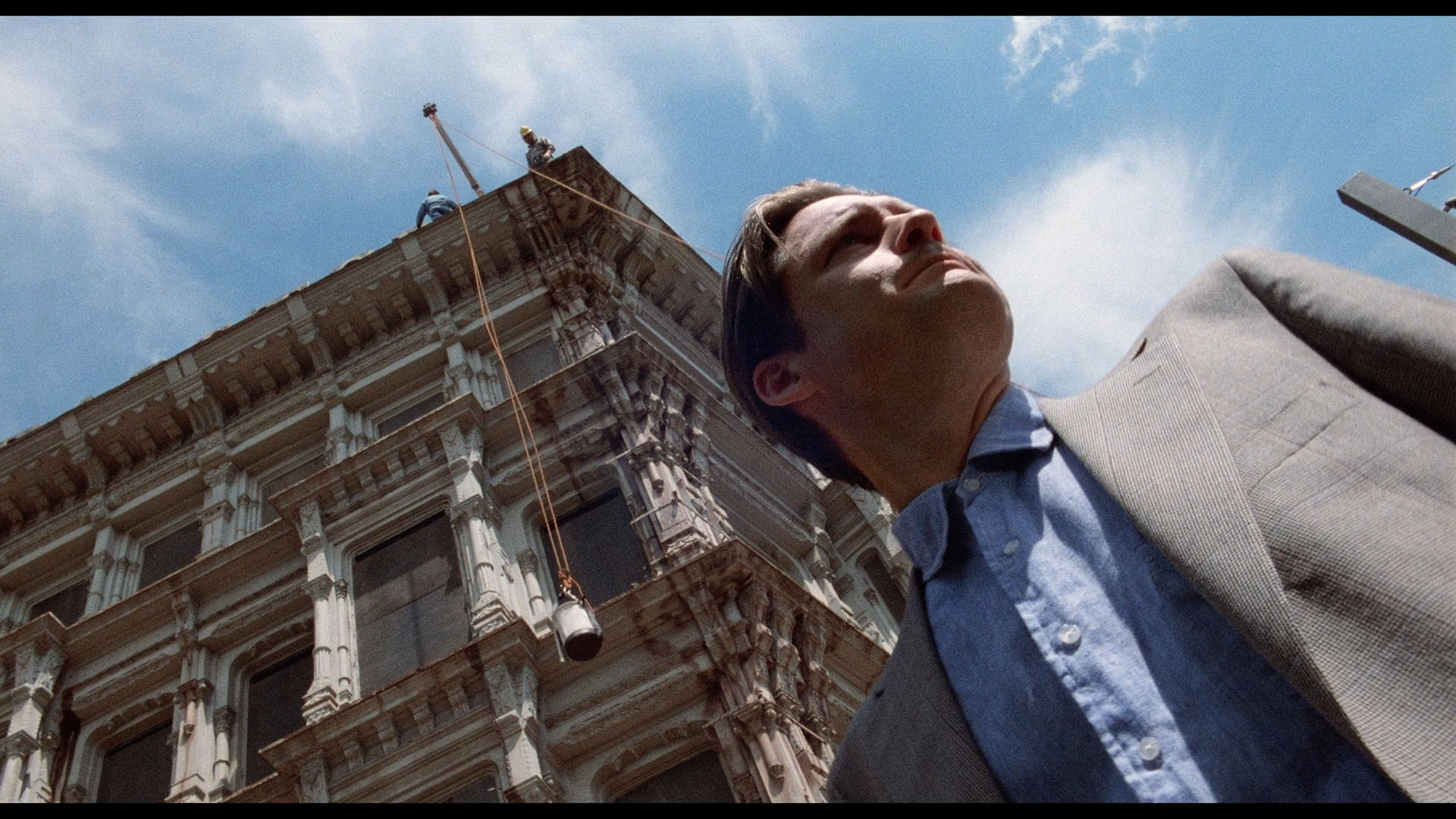 was tough at the start of the '90s with the the often overlapping erotic thrillers, "from hell" melodramas, and neo-noirs
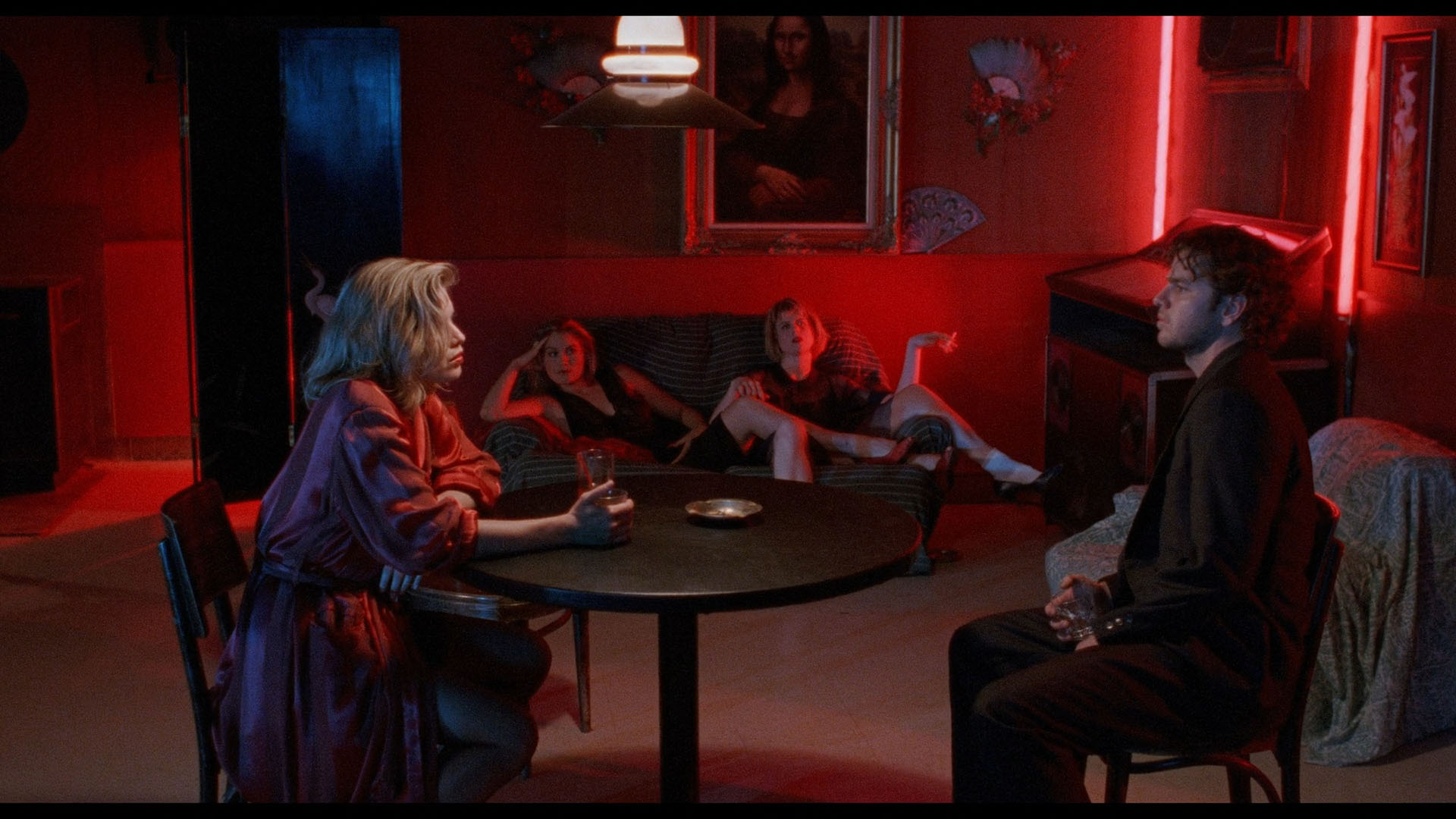
  fighting for audience attention every week. One of the biggest of these in 1991 was Sleeping with the Enemy with Julia Roberts, though one of its two male leads, acclaimed stage actor Kevin Anderson, had another one come out a few months later to little fanfare. Given a limited theatrical release by MGM who probably found its title very difficult to sell to theater managers, Liebestraum was the third film directed by Mike Figgis after the well-received Stormy Monday and a successful Hollywood transition with Internal Affairs; most famously he would go on to direct the Oscar-winning Leaving Las Vegas a few years later. Liebestraum didn't really get seen much at all until it hit VHS in 1992 from MGM in both an unrated director's cut and an R-rated version for the wusses running Blockbuster Video, with the difference being an entire scene early on at a brothel that sets up a shocking bit of dialogue later on. The sequence didn't feature any nudity, but apparently its presentation of bodily fluids was too much for the MPAA. The film went on to earn some minor word of mouth among fans of offbeat cinema who had been starving for dreamy mystery content following the cancellation of Twin Peaks, making it the kind of film you stumbled across on cable or VHS and recommended to like-minded friends. It was always going to be an uphill battle on the big screen (especially opening a month after the somewhat narratively similar Dead Again), but if you're up for something that definitely
  colors outside the lines of what constitutes a '90s thriller, there's a great deal to savor here.
Decades following what appears to be an after-hours double murder and suicide at a department store, architecture teacher 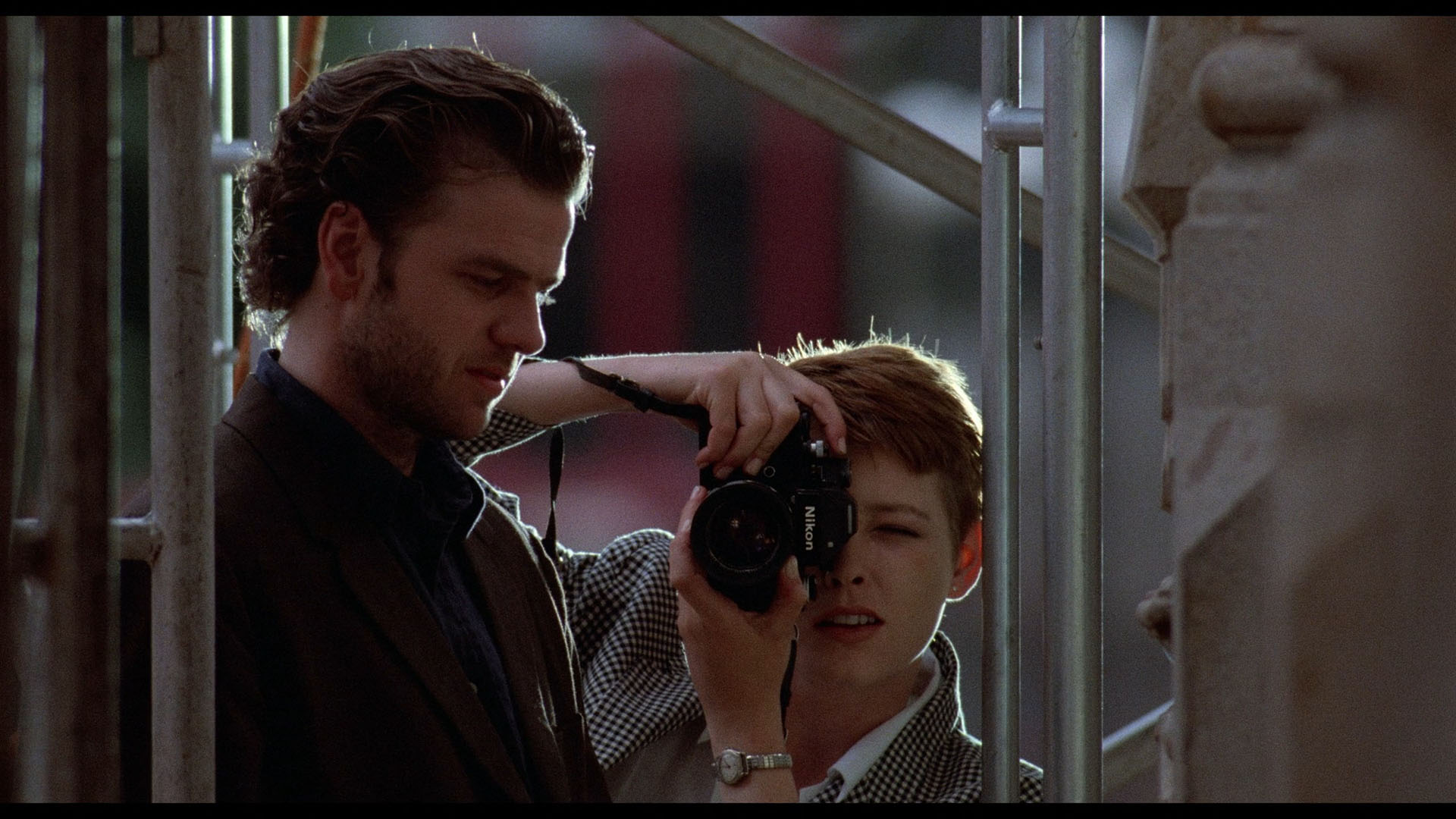 Nick Kamisnky (Anderson) arrives in town to meet his terminally ill birth mother, Lillian (Novak), for the first time. A chance encounter with college buddy Paul (Pullman, who's now in construction and will be tearing down the fascinating cast-iron structure across the hospital and apparently the site of that crime, sets Nick on a path that entangles him with Paul's photographer wife, Jane (Gidley). The past and present start to dangerously overlap as an affair between Nick and Jane intrudes on the homicide that threatens to overshadow them all.
As usual, Figgis pulled multiple duties on this film including writing the screenplay (quite a while before it ever went in front of the cameras) and writing the music score which frequently dovetails with Franz Liszt's "Lieibestraum" in multiple iterations. (Yes, you actually could program this as a weird double feature with Lisztomania which prominently makes use of the same piece of music.) The film looks like a '90s noir for the most part and feels like it's cut from the same cloth as some other films from the era, but it doesn't really move like one or ultimately show any kind of fatalistic sensibility at all. Deep down it's more of a wounded 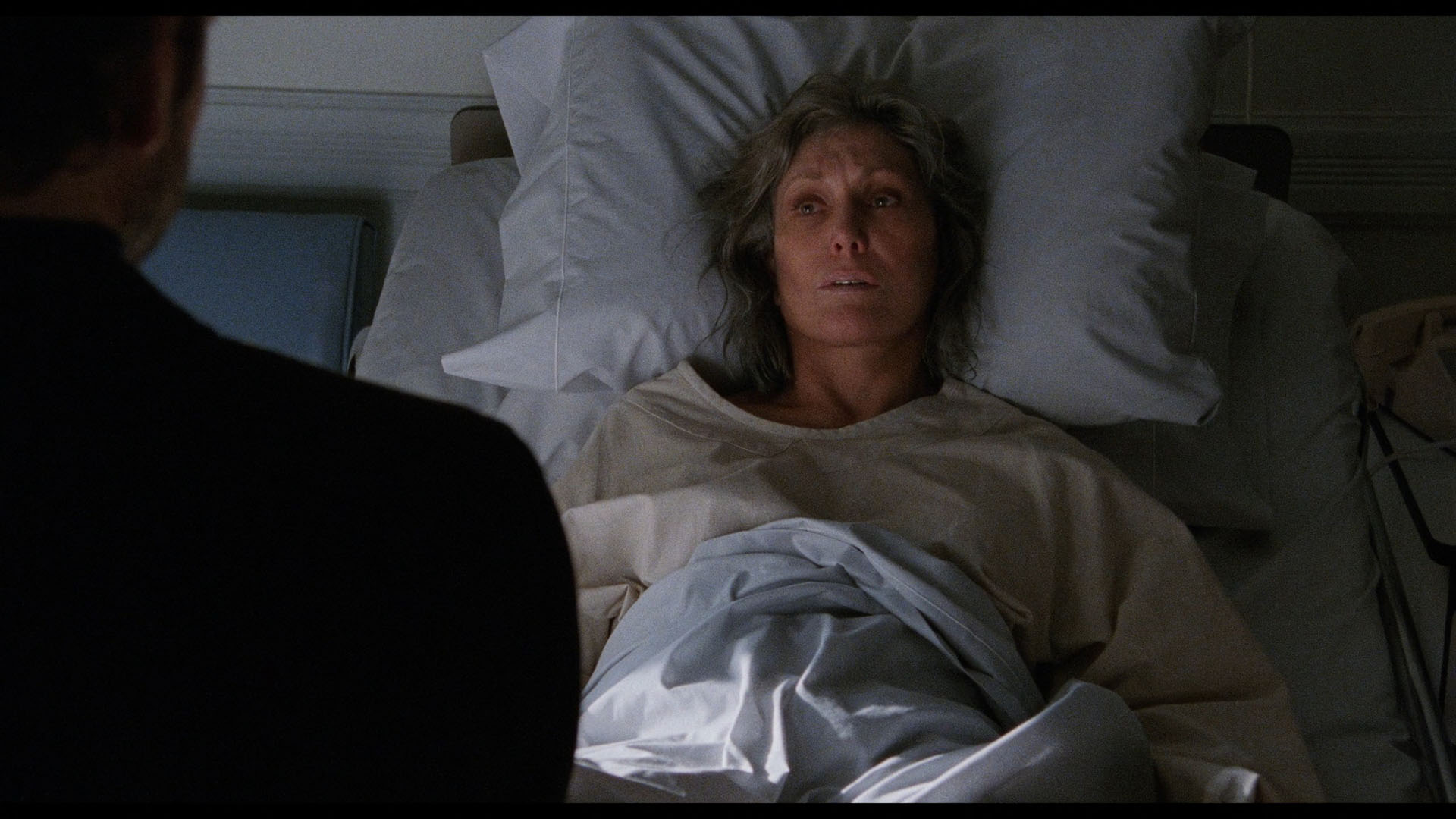 romance with a humanist streak, which might also be one reason it resonates with a
  select group of viewers.
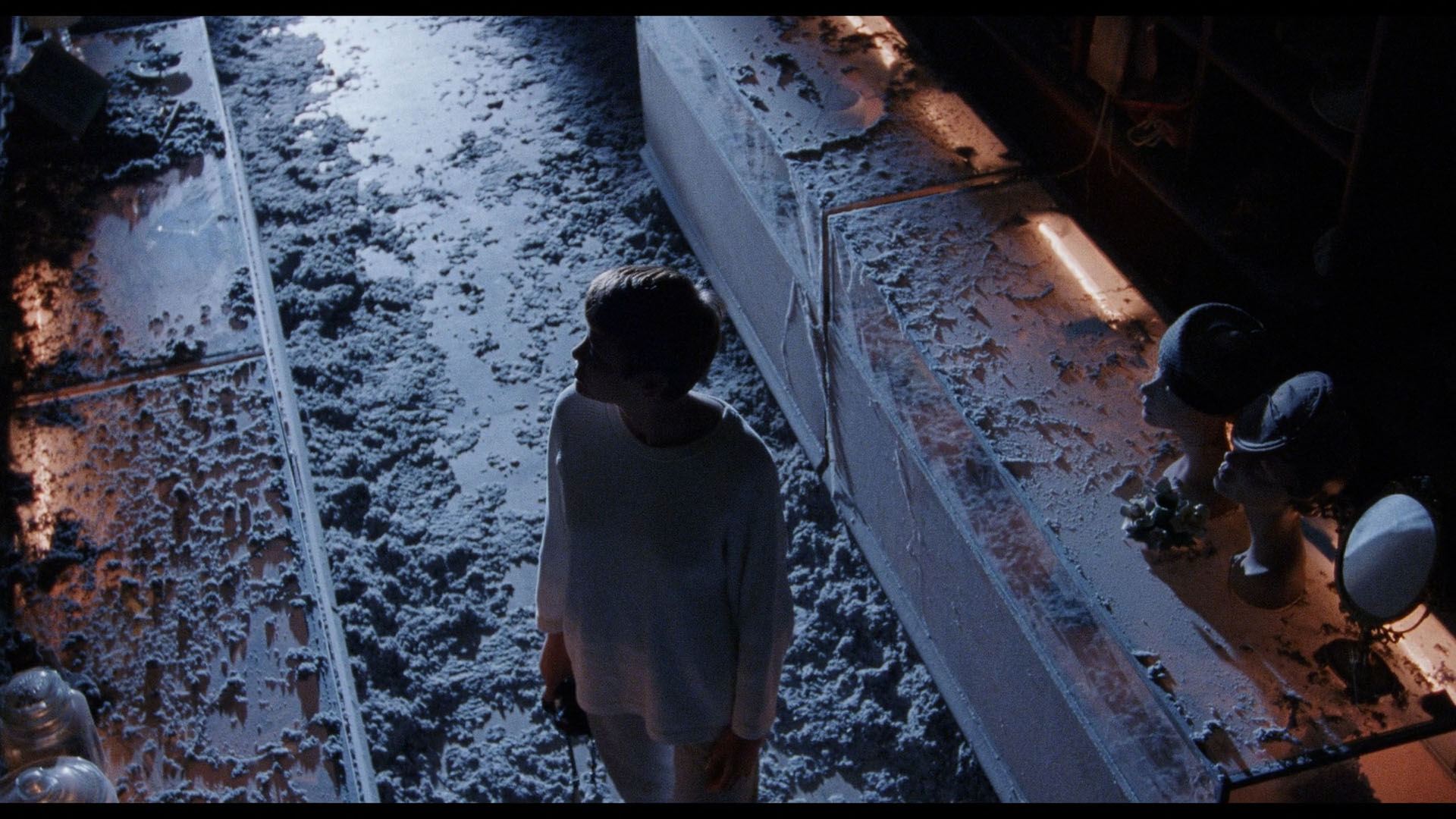
As with some other studio titles (looking at you, Thief of Hearts, Dream Lover, and Whispers in the Dark), this film had a very frustrating life after VHS with its unrated version getting sidelined for no apparent reason whatsoever apart from a fear of maybe irritating Walmart. At least in the U.S., the MGM DVD was the R-rated version with the extra scene thrown in as a bonus feature, while the full cut turned up on DVD in a handful of European countries. It made no sense, but thankfully, it avoided the fate of many of its companion films mentioned just above by coming out in its full director's cut on Blu-ray in 2026 from Vinegar Syndrome sub-label Cinématographe. The new scan looks superb and easily wipes the floor with any of its previous SD counterparts; the dark scenes in particular look so much clearer and deep here than before. The film's Dolby Stereo mix has always been kind of an odd one with heavy reverb in some scenes, and that's what you get here with the DTS-HD MA English 2.0 mix (with optional English SDH subtitles). Don't mess around with your receiver or TV settings; the first few minutes are supposed to sound like that. Figgis participates here in a new audio commentary with Cinématographe's Justin LaLiberty and a video interview, "Passion Project" (15m27s), which dovetail into each other nicely as he talks about scouring for the right cast-iron architecture and finding it in Binghamton, the writing of the script in tandem years earlier with Stormy Monday, the now-famous actors who auditioned for the film, the casting 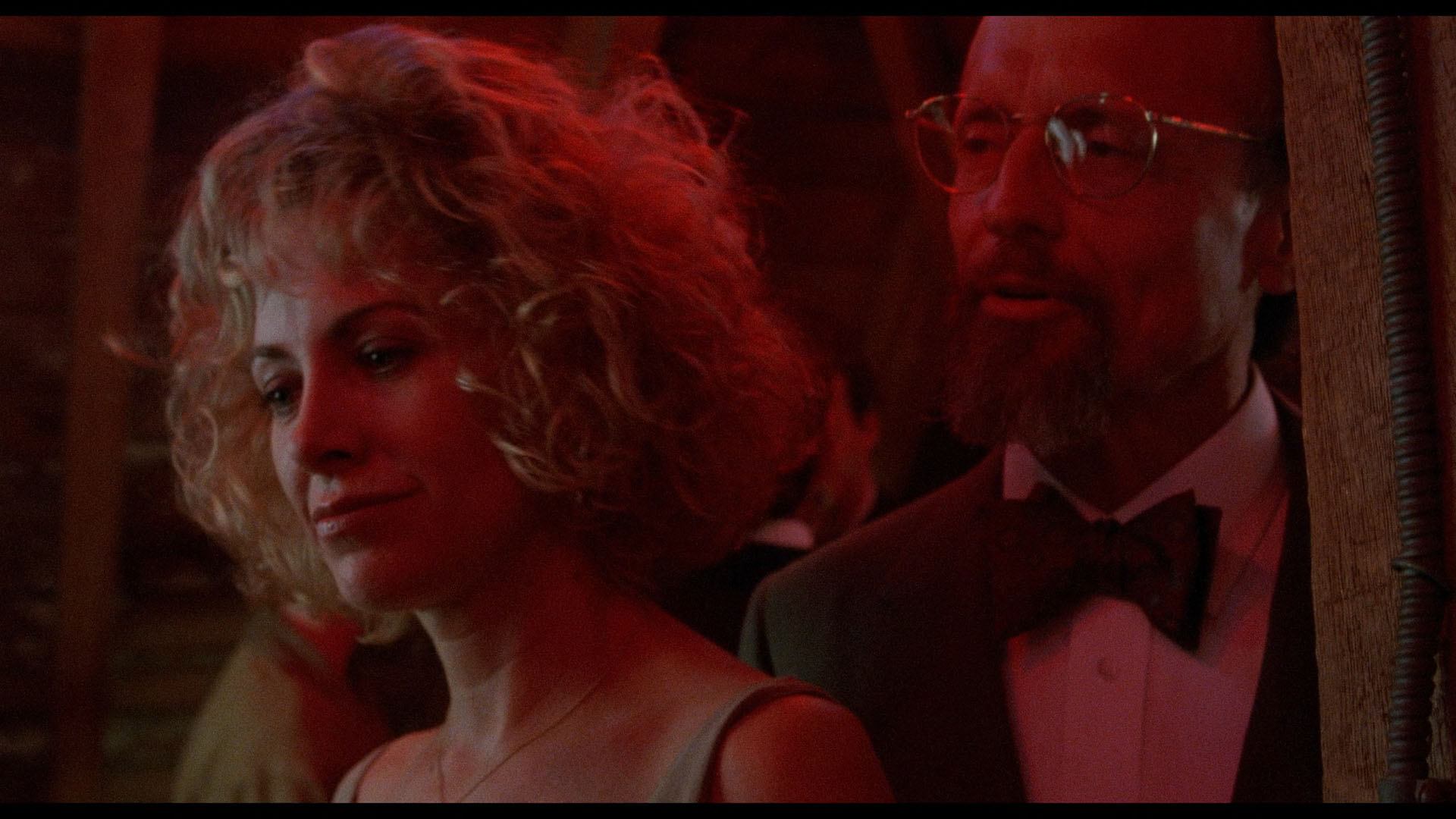 of Novak, and the horrific personal circumstances he was going through in post-production including sepsis and the collapse of his marriage (for ironic reasons considering the movie). A second audio commentary with Alain Silver and Christopher Coppola hones
 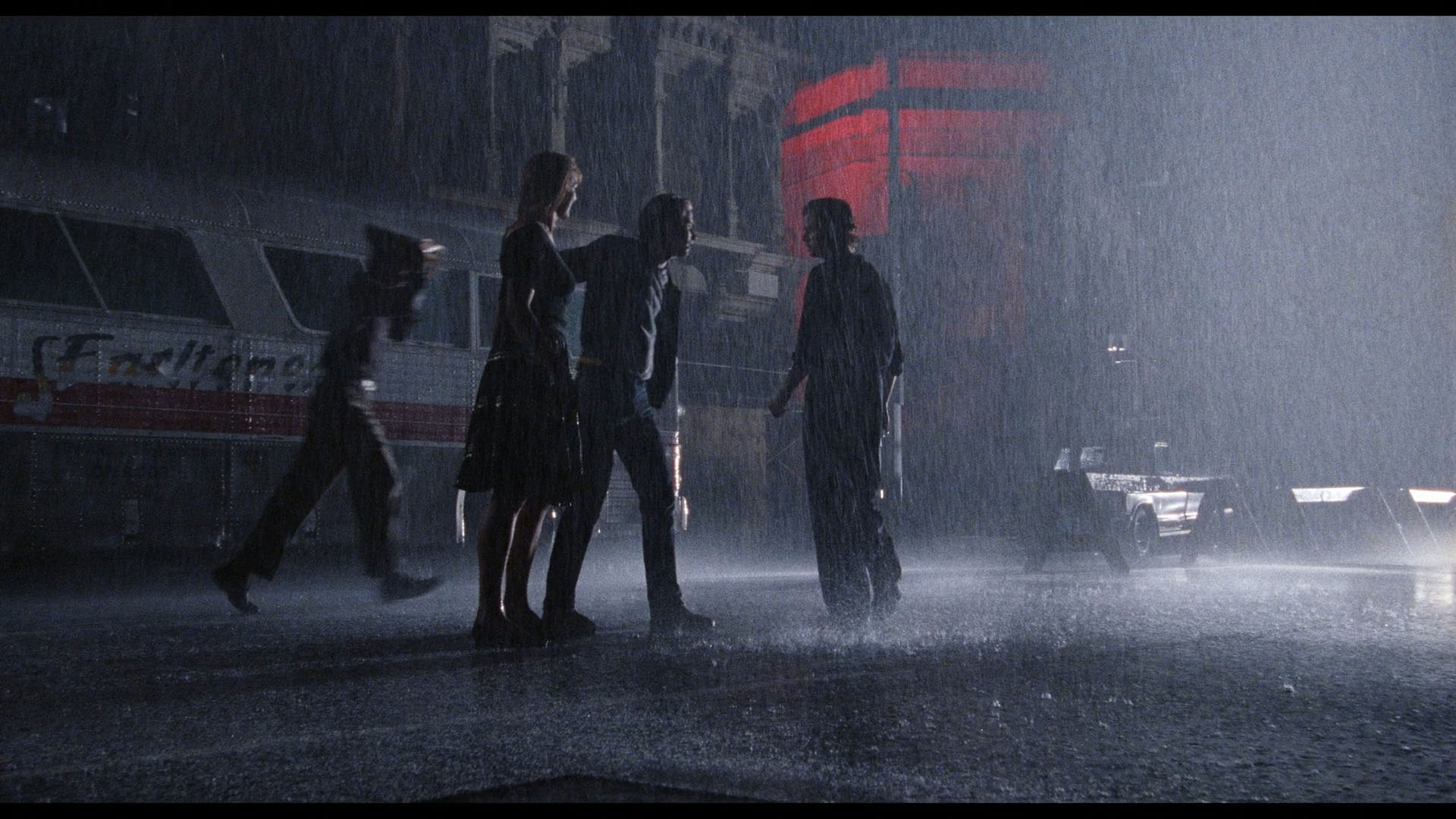 in on the neo-noir aspects of the film including its use of visual language, Figgis' approach to genre, the emotional responses triggered by certain aesthetic choices, the role of the architecture here compared to other films, and much more.
On the video extras side, "I'll Be the Judge of That" (15m10s) features film editor Martin Hunter discussing his admiration for Figgis' two prior films, his earlier work in various capacities for Stanley Kubrick, the artistic inspiration behind some striking moments in the film, the advantage of being on the production and watching dailies, and the role of Figgis' score in the fabric of the film. In "Every Frame is a Picture" (16m32s), production designer Waldemar Kalinowski chats about his mutual connections with Figgis through the theater scene, the prep of the key building to the story, the declining state of Binghamton at the time, and the influence of being a photographer on his own work. Finally in "Liebestraum: Memories of the Past" (11m51s), Alexandra Heller-Nicholas discusses the relationship between memories, denial, film noir elements, the use of the color red, and the gothic. Also included are an 8m26s reel of deleted scenes (including Figgis' cameo as a German tourist and the reinstated brothel scene separated here just for reference) and the theatrical trailer that proves what a tough sell this film was at the time. The usual deluxe packaging comes with substantial new essays by Nadine Whitney ("Liebestraum: The Uncanny Eternal Return of Love's Dream", Travis Woods ("Cast-Iron Uncertainties"), and Neil Young as ("Some Architectural, Postdoctoral, Pre-Sexual Type Thing. The Erotic Mystery of Liebestraum's Deathdream") covering the film's use dream logic and imagery, architectural obsessions, and depictions of death both past and potential, plus a short new text interview with cinematographer Juan Ruiz Anchía by LaLiberty about his frequently night-focused shooting process and a parallel to his work on the great At Close Range.
Reviewed on May 4, 2026
